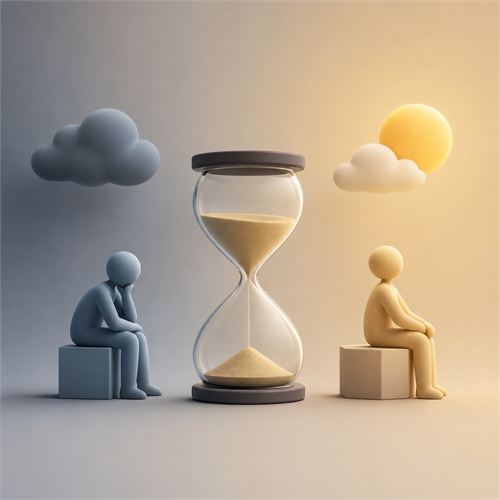
Psychology / Behavior / Motivation
Psychology / Behavior / MotivationWaiting Effect
Waiting builds anticipation that reshapes how an object is perceived.
Popularity
Usefulness
Aliases
Anticipation effect / expectancy-while-waiting effect
Domains
Psychology, marketing, communication, behavior
Definition
- The Waiting Effect describes how the act of waiting for something can itself change people's attitudes, perceptions, and behavior toward the object they are waiting for.
Core Idea
- Waiting builds anticipation that reshapes how an object is perceived.
- The pause before fulfillment can raise interest, value, or curiosity.
- Attitudes and behavior shift during the wait, not only at the payoff.
How It Works
- When fulfillment is delayed, attention and expectation accumulate.
- The mind elaborates on the awaited object, often heightening its perceived value.
- By the time the wait ends, attitudes have already been influenced by the anticipation.
Usage Example
- A product teased before launch builds anticipation, so that by release day customers already perceive it as more desirable than if it had simply appeared.
Famous Example
- Example: Cited in psychology and marketing discussions of anticipation and delayed reveals.
- Why it fits this rule: It shows attitude change produced by the waiting period itself.
Use Cases / Situations Where It Applies
- Marketing teasers and product launches.
- Building anticipation in education and communication.
- Managing expectations during delays.
When Not to Use or Common Misuse
- Do not make people wait so long that anticipation turns into frustration.
- Do not over-promise, or the eventual payoff disappoints.
- Do not assume waiting always increases value; context matters.
Rule Invention / Origin
- Invented by: No single author; a psychological-effect framing.
- Year of invention: Modern.
- Country / context of origin: Popular psychology literature.
Evidence / Research Basis
- Consistent with research on anticipation, expectancy, and delayed gratification.
